



How Technology is Changing Modern Education
DPS Gaya Team
Verified Author
Ever wondered how technology is changing education? You’re not alone. Whether you’re a student, parent, or lifelong learner, the way we learn has undergone a stunning transformation in just a few years. Chalkboards are being replaced by interactive screens, homework sometimes happens with a click, and the classroom might be in your living room rather than down the street. Today, let's dive into the ways technology is reshaping what, where, and how we learn—making education more accessible, engaging, and downright fascinating than ever before.
Why Does Technology in Education Matter?
Education is more than textbooks and tests. It shapes how we think, communicate, and thrive in a rapidly shifting world. That's why understanding how technology is changing education isn’t just about gadgets or apps—it’s about preparing ourselves and future generations for real life.
Take a minute to think back to your own school days. Maybe you remember bulky overhead projectors or waiting in line for the library’s single computer. Today’s students are collaborating through video calls, accessing online libraries, and even interacting with artificial intelligence (AI) tutors. For families in rural areas or students with special needs, these advances can make the difference between falling behind and staying ahead. In other words, technology is opening doors that many never imagined could exist.
Smart Classrooms: The Heart of Modern Learning
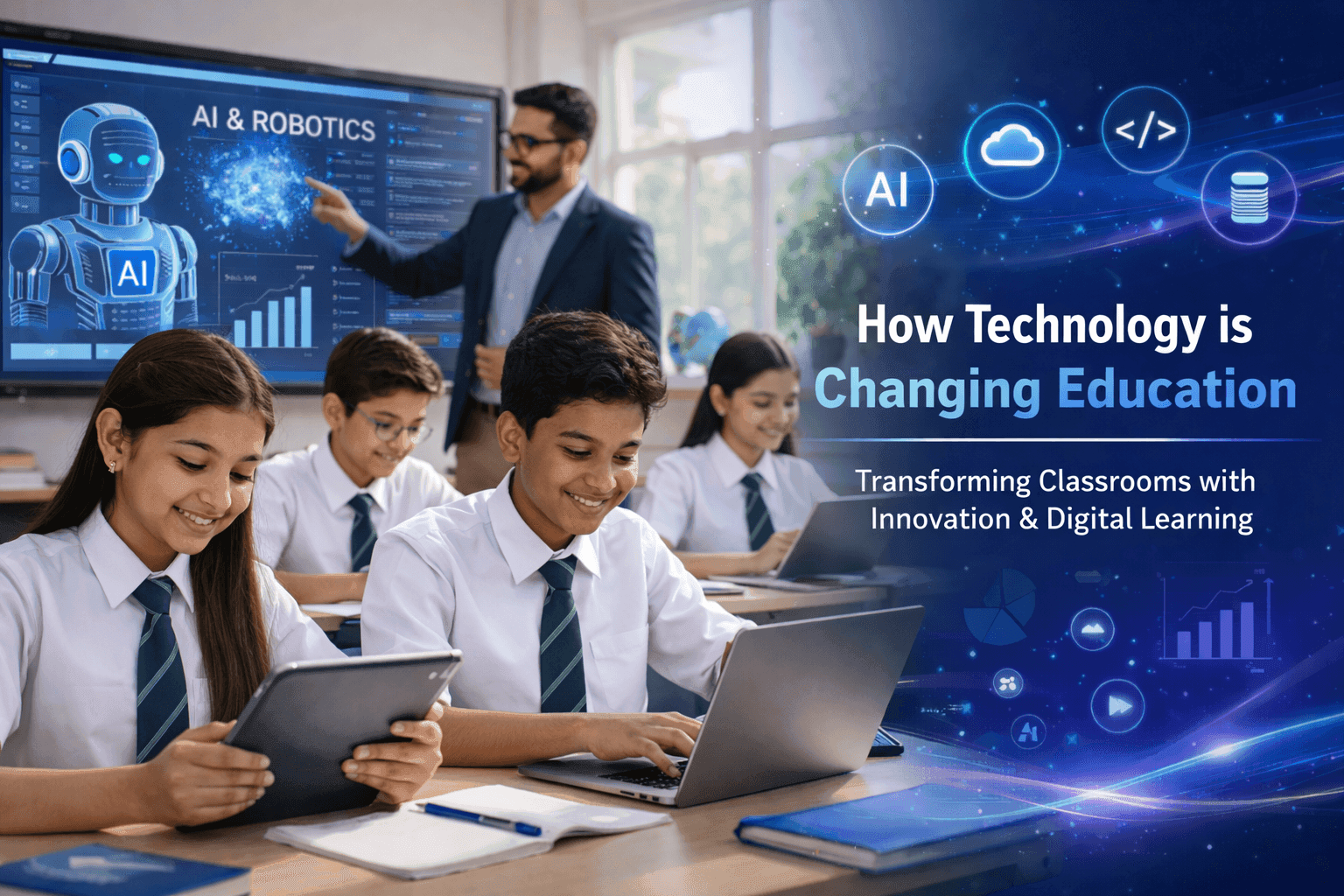
If you haven’t heard of smart classrooms yet, picture this: digital whiteboards, tablets at every desk, and lessons customized in real-time to each student’s needs. In these classrooms, teachers might use interactive apps to check for understanding, while students collaborate on projects using cloud-based tools.
Smart classrooms aren’t just flashier—they are designed to boost participation and curiosity. A teacher can display a science experiment on-screen, pause it for questions, and then let students test out simulations on their devices. Lessons no longer have to be one-size-fits-all, since technology allows for different learning speeds and styles.
Online vs Offline Learning: What’s the Real Difference?
The debate of online vs offline learning has become quite the hot topic. In-person education offers real-time feedback, physical interaction, and that ever-important social side of school. But online learning isn’t just a backup anymore—it’s a world with its own strengths.
Online platforms give students the flexibility to learn at their own pace and from anywhere. If someone is juggling work or family responsibilities (or maybe just stuck at home for a snow day), online classes can fill in the gaps. Plus, resources like recorded lectures and discussion forums help keep everyone connected, even when miles apart.
At the same time, offline—or traditional—learning continues to play a critical role, offering structure, hands-on labs, and face-to-face mentorship. The best educational journeys often blend both, picking the pluses of each for a truly personal approach.
AI and Robotics in Education: The Future Has Arrived
It might sound like science fiction, but AI and robotics are making waves in classrooms everywhere. AI-based platforms can now personalize lessons, identify when a student needs extra help, and even provide instant feedback. Imagine having a tutor that’s available 24/7, remembers your strengths and challenges, and never gets tired of answering questions.
Robotics isn’t just about building cool machines (though that’s fun, too). Programs teaching robotics give students a head start in teamwork, problem-solving, and programming skills—abilities that are valuable far beyond graduation.
How to Make the Most of Tech-Enhanced Education
Excited by smart classrooms or unsure about online vs offline learning? Here are a few quick tips to help you or your family adapt smoothly:
- Stay curious: Try exploring new platforms or apps offered by your school or learning institution. Don’t be afraid to ask questions or seek help.
- Keep a healthy balance: Too much screen time can be tough, so mix in breaks and offline activities, especially for younger students.
- Engage together: Parents and caregivers—join in! Your encouragement can help ease tech jitters and build confidence.
Thinking About the Right Tech for Learning?77
Before you jump in and buy the latest gadget for school, pause to consider a few essentials:
- Quality: Not every device or software suits everyone. Check for reliability and positive reviews, especially from educators or trusted organizations.
- Sustainability: Choose technology that will keep up with updates and doesn’t need quick replacing. Sometimes, simple solutions last the longest.
- Accessibility: Look for features that make learning easier for all, including options for those with vision, hearing, or mobility challenges.
Conclusion: Embracing the Change Compassionately
As we look at how technology is changing education, it’s clear that the journey is as much about people as it is about progress. No piece of tech can replace the spark of a great teacher or the feeling of mastering a tricky skill, but when used thoughtfully, these new tools can give more people than ever the chance to shine.
Whether you’re exploring smart classrooms, testing the waters of online vs offline learning, or just curious about AI and robotics in education, remember: it’s okay to move at your own pace. Stay open, keep learning, and help others along the path. The future of education is here—and you’re a vital part of it. Want to keep the conversation going or try out some new resources? Start small, share experiences, and watch how learning changes—for the better.
Get in Touch
Still have questions? Fill out the form below and our team will get back to you shortly.